By Research Librarian Jessica Zaricki
This summer and fall the Portsmouth Athenæum presents The Red Light District: Vice in Portsmouth, NH at the Turn of the 20th Century, an exhibit in the Randall Gallery which offers a glimpse at a seedier part of our city’s history. In lieu of a traditional booklist, we share the exhibit’s bibliography for any who would like to explore this topic in greater detail.
Members, find the listed titles on display in the Sawtelle Reading Room through the month of July.
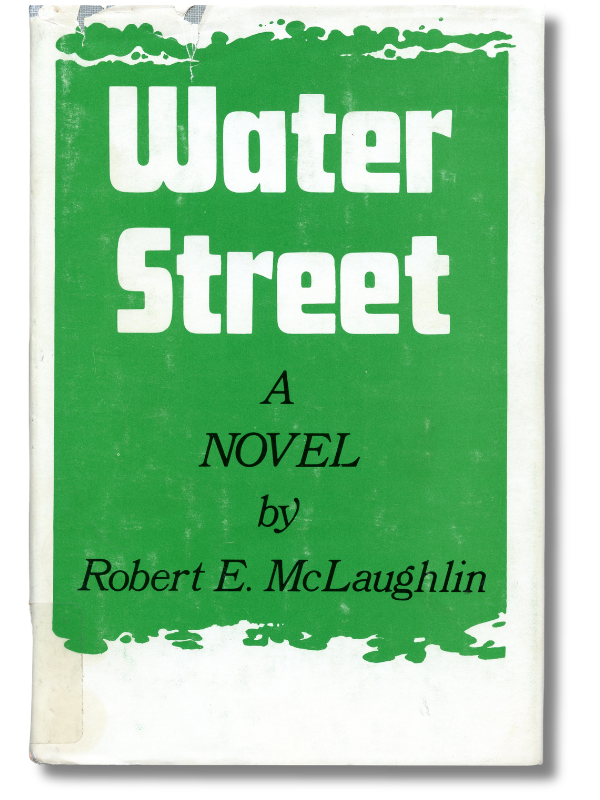
Water Street: A Novel
LITERATURE
This fictionalized account presents a Water Street at the end of its heyday. It follows the relationship between a young sailor named Scott and his benefactress, Ida Barry, the proprietress of “a home where gentlemen are entertained by ladies.” The tale of rivalries, love, and murder retains the spirit of the neighborhood at the turn of the 20th century.
McLaughlin, Robert E. Water Street: A Novel. F44 .P8 M24 1986

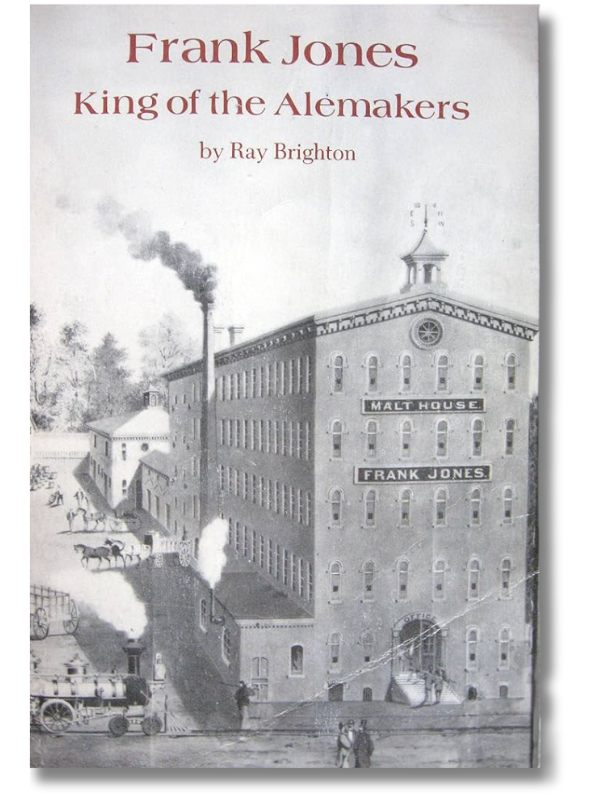
Frank Jones: King of the Alemakers
BIOGRAPHY
It’s difficult to underestimate the power and prestige held by Frank Jones, one of the largest producers of ale in the United States, during the late 19th century. He served two years as mayor of Portsmouth, two terms in the US Congress, and was a member of the Portsmouth Athenaeum. Jones was rumored to be quite fond of the ladies and allegedly maintained friendships with some of the Water Street proprietresses. While this biography does not elaborate on his seedier side, it does place him firmly among Portsmouth’s elite during the first years of our exhibit’s story.
Brighton, Ray. Frank Jones: King of the Alemakers. F44 .P8 J66 B74 1985

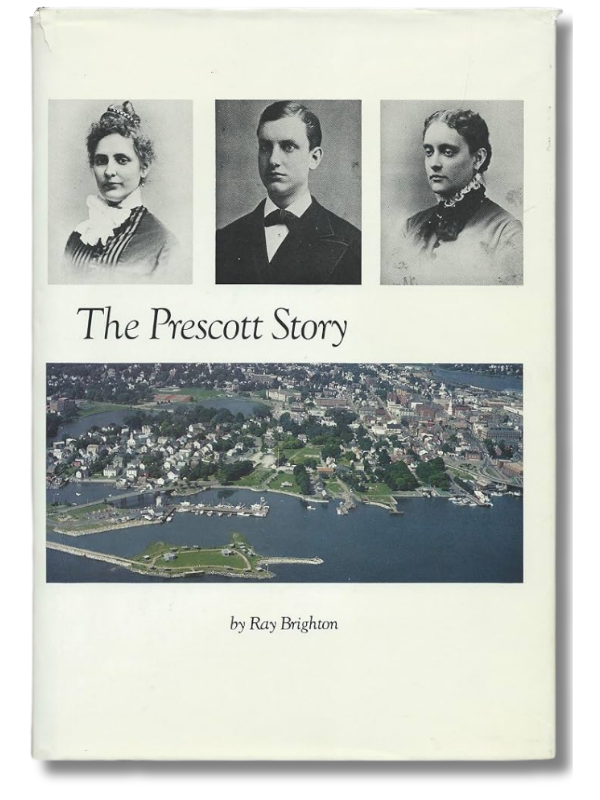
The Prescott Story
BIOGRAPHY
This biography focuses on the legacy left to Portsmouth through the philanthropy of Mary and Josephine Prescott, two sisters who lived on Water Street during their childhood. The inheritance they received following the death of their brother Charles allowed them to change the face of the waterfront in a way that redefined the entire community and resulted in the park dedicated to the memory of their father, Charles S. Prescott.
Brighton, Ray. The Prescott Story.

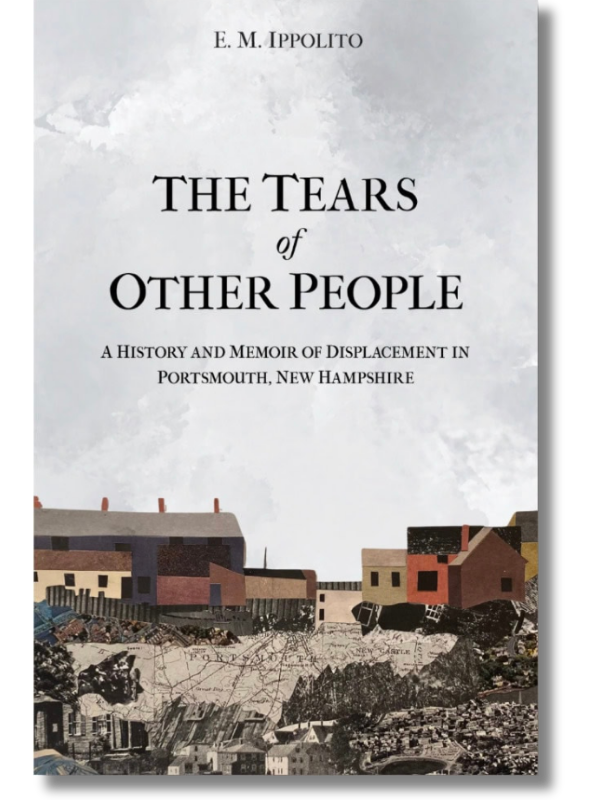
The Tears of Other People: A History and Memoir of Displacement in Portsmouth, New Hampshire
BIOGRAPHY
Ippolito discusses sex work on the waterfront in chapter 8 of her memoir. She is careful to describe many of the women working in Water Street establishments as women with agency, often from the working class, who have made the decision to engage in the sex trade. She also touches on the contributions of Police and City officials, as well as military leadership, in the increase of illegal activity on the waterfront prior to 1912.
Ippolito, E. M. The Tears of Other People: A History and Memoir of Displacement in Portsmouth, New Hampshire. F44 .P8 I66 2025

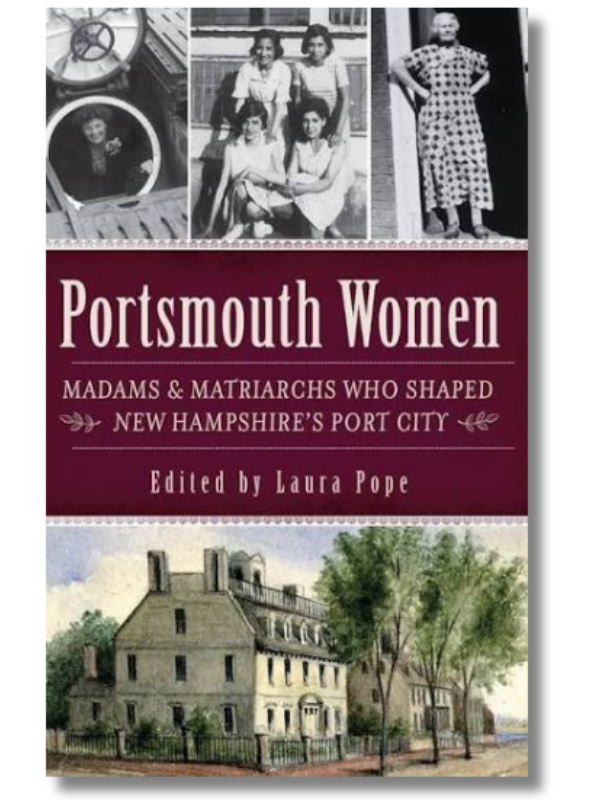
Portsmouth Women: Madams & Matriarchs Who Shaped New Hampshire’s Port City
BIOGRAPHY
This collection of biographical sketches includes a chapter on Water Street proprietresses Alta Warren Roberts and Mary Amazeen Baker. Kimberly (Crisp) Milani, Roberts’ great-great niece, provides us with vivid portraits of two women who owned their own properties and ran wildly successful (though not entirely legal) businesses at a time when women did not have the right to vote and were largely defined by the men in their lives.
Pope, Laura, ed. Portsmouth Women: Madams & Matriarchs Who Shaped New Hampshire’s Port City. F44 .P8 P67 2013

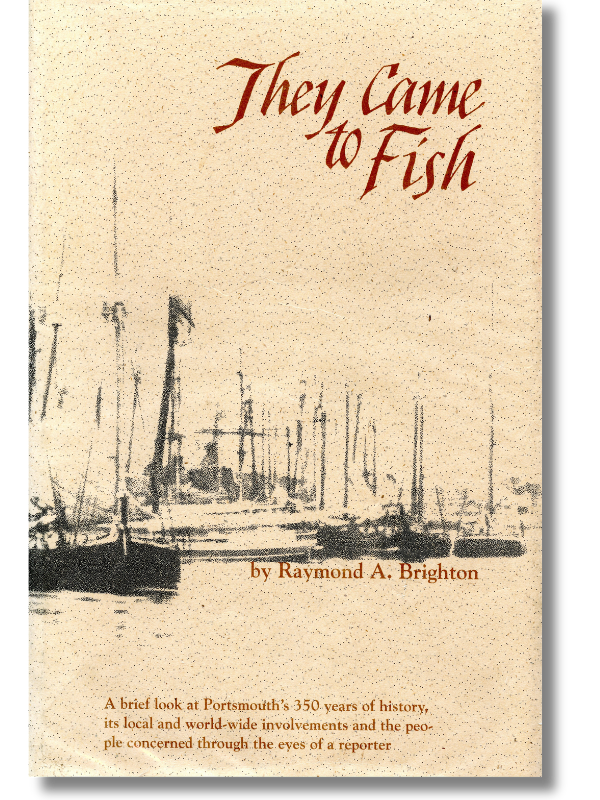
They Came to Fish: A Brief Look at Portsmouth’s 350 Years of History...
NON-FICTION
Chapter 23 of this history of Portsmouth explores the heyday and closure of the Water Street vice district, comparing it to the Barbary Coast and even Sodom and Gomorrah. Brighton explores the economic significance of Water Street businesses in keeping military dollars in the city and discusses the resulting complacency of the police, business owners, and city officials regarding illegal activity. Particular focus is given to the changing attitudes of US Naval leadership concerning the liberty activities of servicemen in the drive to close the district. Note: Vol. I is on display, but the notes found in Vol II also make for interesting reading.
Brighton, Raymond A. They Came to Fish: A Brief Look at Portsmouth’s 350 Years of History; It’s Local and World-Wide Involvements and the People Concerned Through the Eyes of a Reporter. F44 .P8 B84 1979

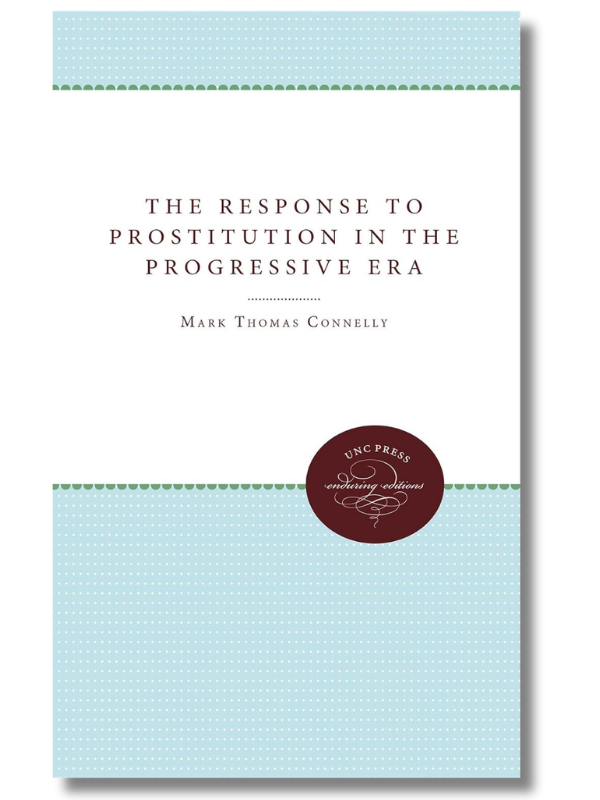
The Response to Prostitution in the Progressive Era
NON-FICTION
Connelly explores changing responses to sex work within the cultural and social context of the Progressive Movement of the early 20th century. Though this book does not specifically discuss Portsmouth or its red light district, it shows how the Water Street experience fits within national responses to the reorientation American society experienced as women became active reformers and critics of commercialized sex.
Connelly, Mark Thomas. The Response to Prostitution in the Progressive Era. HQ144 .C66 1980

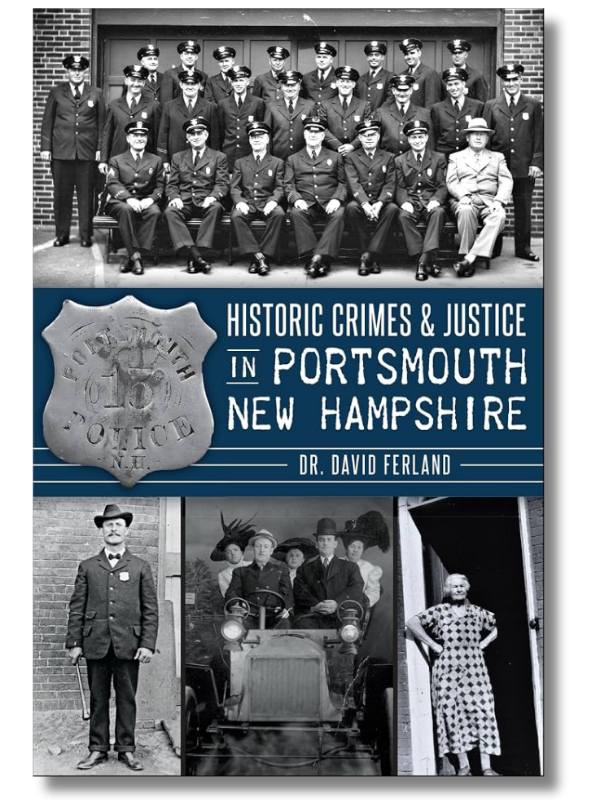
Historic Crimes & Justice in Portsmouth New Hampshire
NON-FICTION
Former Portsmouth Police Chief David Ferland includes a chapter titled Hookers of the Bowery in this early history of the Portsmouth Police Department. While the text includes many of the stories shared by Brighton and Milani, it also explores other examples of vice prevalent in early 20th century Portsmouth, particularly alcohol and gambling.
Ferland, David. Historic Crimes & Justice in Portsmouth New Hampshire. F44 .P8 F43 2014

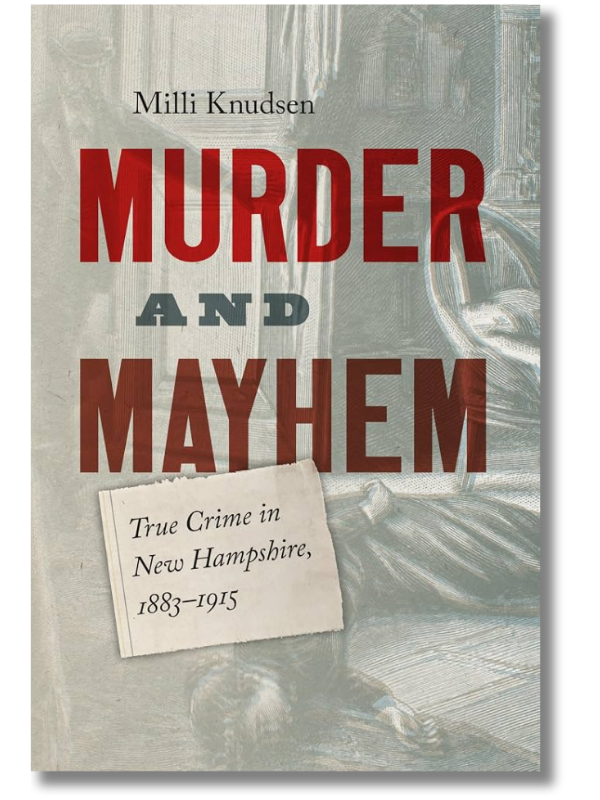
Murder and Mayhem: True Crime in New Hampshire, 1883-1915
NON-FICTION
While this book did not contain much information regarding sex work in New Hampshire, it remains a fascinating resource for anyone interested in crime and justice as it existed in the state at the turn of the 20th century. It includes details about victims, criminals, murders, and trials, allowing readers to see the differences and similarities between historic and current criminology.
Knudsen, Milli. Murder and Mayhem: True Crime in New Hampshire, 1883-1915. HV6793 .N3 K46 2024

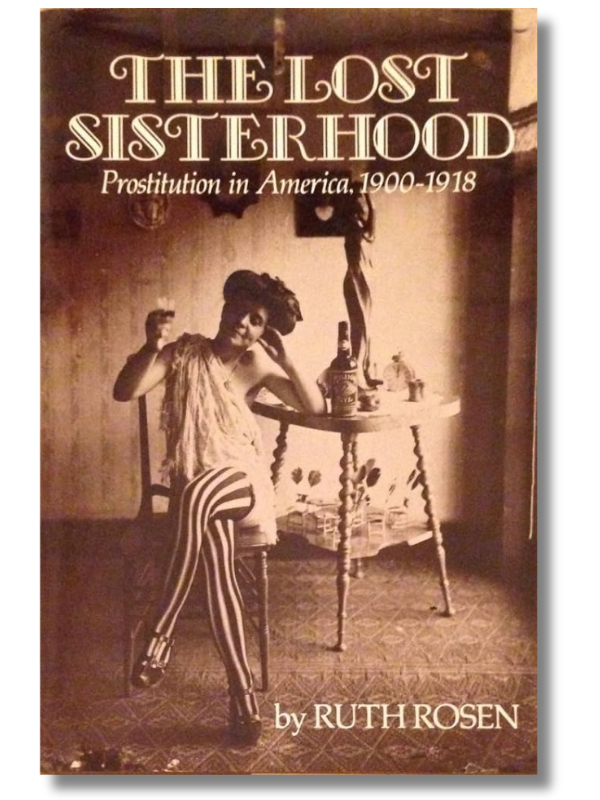
The Lost Sisterhood: Prostitution in America, 1900-1918
NON-FICTION
This work explores sex work in the early 20th century and examines the lives of sex workers and of members of the reform movements seeking to end the sex trade. Particular focus is given to the experiences of women who chose sex work as an economic alternative to low wage labor, the economic and social benefits of working within the brothel system, and the social context of the progressive era and changes in public attitudes regarding commercialized sex.
Rosen, Ruth. The Lost Sisterhood: Prostitution in America, 1900-1918. HQ144 .R76 1983
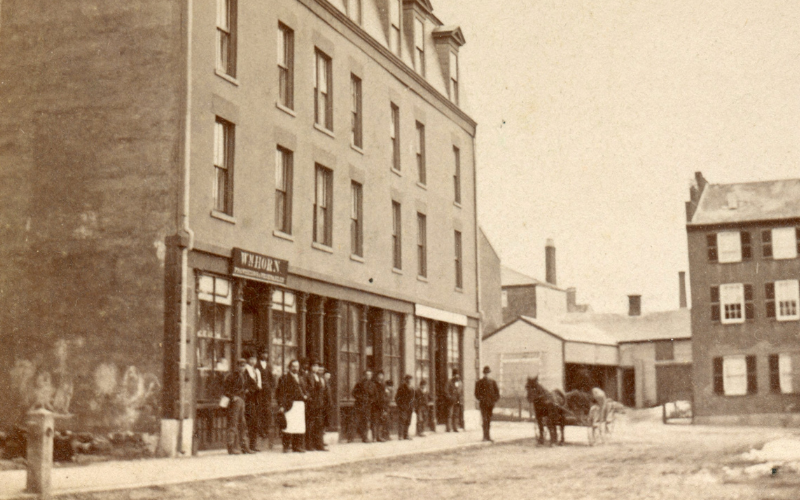
IMAGE: A circa 1875 Davis Brothers stereocard of a large mansard-roofed building, which would later be known as the Gloucester House, a house of ill repute on Water Street in Portsmouth. The storefront (left) includes the sign “W.O. Horn.” According to city directories, William O. Horn ran his provisions store on Water Street from about 1867 to 1877. Dolph Naval Photograph Collection, P0004_179.