By Research Librarian Jessica Zaricki

Each year the National Coalition for the Homeless and the National Student Campaign Against Hunger and Homelessness sponsor Hunger and Homelessness Awareness Week during the week prior to Thanksgiving to educate the public, draw attention to poverty in the United States, and build up a base of volunteers and supporters for local anti-poverty agencies. Please join us in exploring selections focusing on poverty, hunger, and housing insecurity from our circulating collection.

Members, find the listed titles on display in the Sawtelle Reading Room through the month of November.


 

The Kinship
FICTION

This book includes two novels from the Darby Chronicles, a series by New Hampshire author Ernest Hebert which explores the growth of a New Hampshire town over 35 years as it transitions from rural poverty to suburban gentrification. These two novels focus on the “shack people” and the book includes an essay on how and why Hebert chose to tell their story.

Hebert, Ernest. The Kinship. PS3558 .E277 K56 1993

The Cold Millions: A Novel
FICTION

Walter’s NYT bestselling novel tells the story of two brothers caught up in the class warfare that defined the early years of the 20th century in America. The writing style is evocative of American social realist novels of the 1930s and explores themes connected to income disparity that continue to affect contemporary society including community demonstrations, police brutality, and expanding poverty.

Walter, Jess. The Cold Millions: A Novel. PS3573 .A4722834 C65 2020

Edgar A. Poe: A Life
BIOGRAPHY

This biography combines a close reading of Poe’s work with a narrative of his life, giving particular focus to his difficult childhood, his personal losses, his struggles with depression and alcoholism, and the poverty that followed him throughout his life.

Kopley, Richard. Edgar A. Poe: A Life

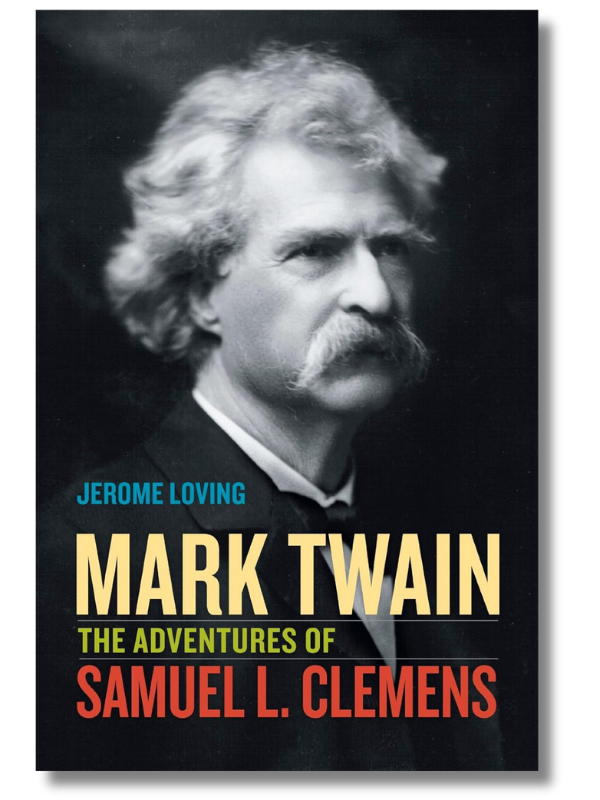
Mark Twain: The Adventures of Samuel L. Clemens
BIOGRAPHY

Loving’s biography of the American humorist best remembered as Mark Twain includes discussion of the author’s frequent brushes with financial failure and reinvention and how it manifested in his literary works as well as in his daily life.

Loving, Jerome. Mark Twain: The Adventures of Samuel L. Clemens

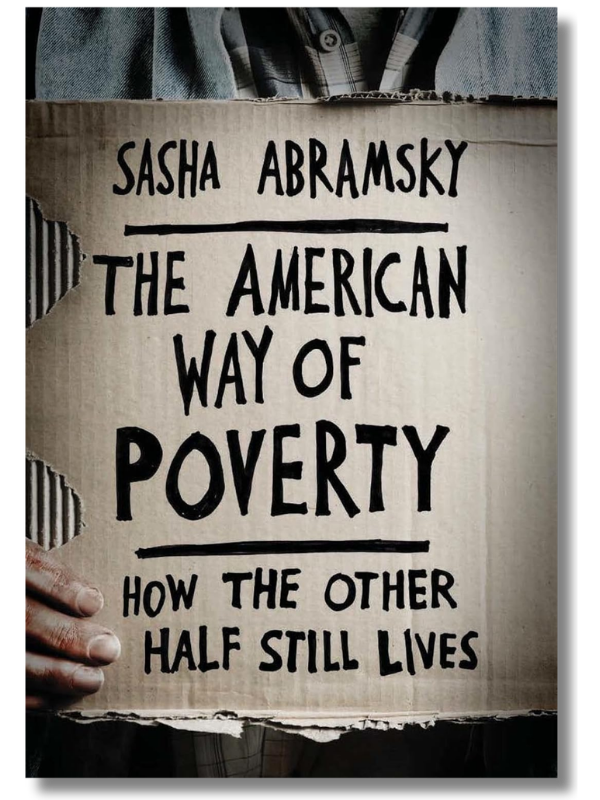
The American Way of Poverty: How the Other Half Still Lives
NON-FICTION

This work seeks to illuminate the lives of the long-term chronically poor and the growing numbers of working poor within American society. Abramsky explores the effects of economic inequality and suggests a variety of political solutions aimed at revitalizing the War on Poverty.

Abramsky, Sasha. The American Way of Poverty: How the Other Half Still Lives. HC110 .P6 A54 2013

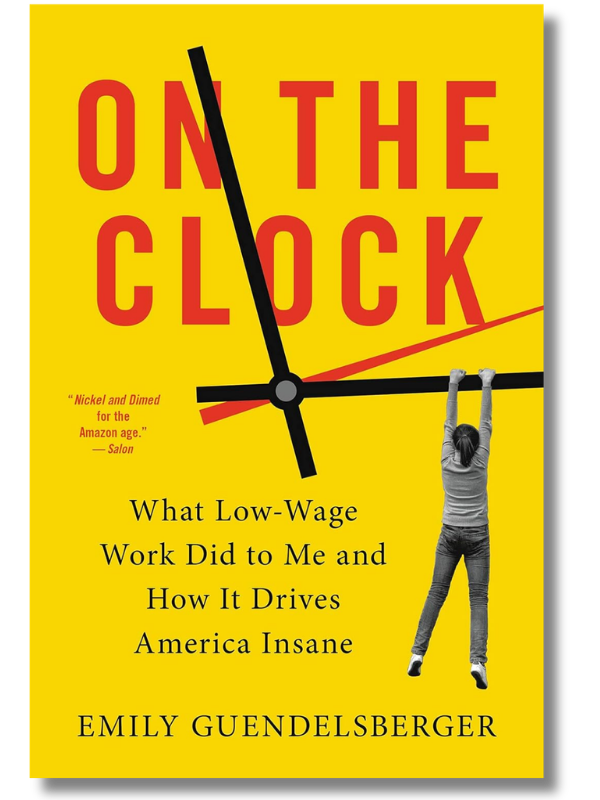
On the Clock: What Low-Wage Work Did to Me and How It Drives America Insane
NON-FICTION

Guendelsberger explores low-wage work in three different settings: an Amazon fulfillment center, a call center, and a fast-food restaurant. She examines the lack of social safety net within a culture where profit is the only aim. In her descriptions of a modern workplace favoring efficiency above all, she offers suggestions to make work more humane.

Guendelsberger, Emily. On the Clock: What Low-Wage Work Did to Me and How It Drives America Insane. HD8072.5 .G84 2019

White Trash: The 400-Year Untold History of Class in America
NON-FICTION

This work offers a history of class stratification in America. Isenberg seeks to dismantle the notion of a class-free America where liberty and hard work define success as she explores the marginalization of the poor and the way in which class and race have been pitted against each other since the 19th century.

Isenberg, Nancy. White Trash: The 400-Year Untold History of Class in America. HN90 .S6184 2016

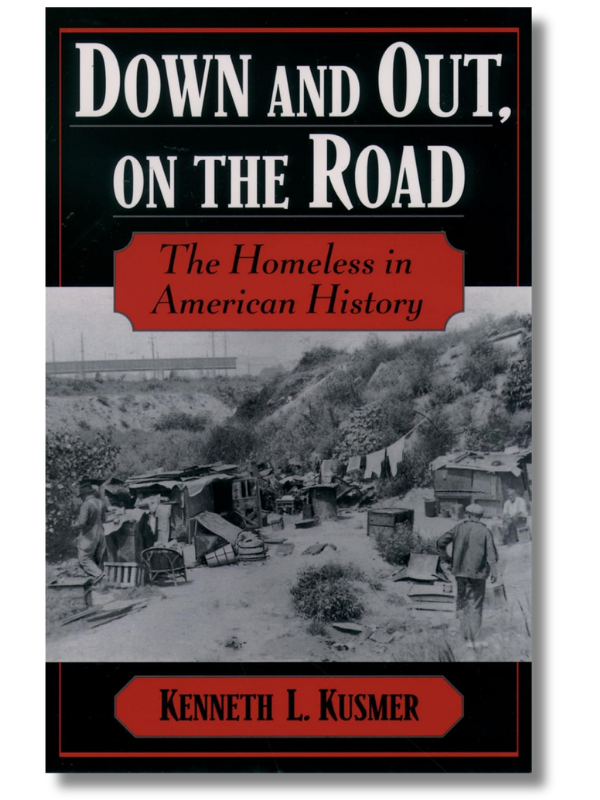
Down and Out, On the Road: The Homeless in American History
NON-FICTION

In this first scholarly work focusing on homelessness in America, Kusmer demonstrates that the homeless have been a significant part of our national experience dating to the colonial era. His examination of the history of homelessness focuses on reasons behind housing insecurity, the ways in which charities and public authorities managed this social issue, and the responses of diverse social, cultural, and political groups to the homeless.

Kusmer, Kenneth L. Down and Out, On the Road: The Homeless in American History. HV4504 .K87 2002

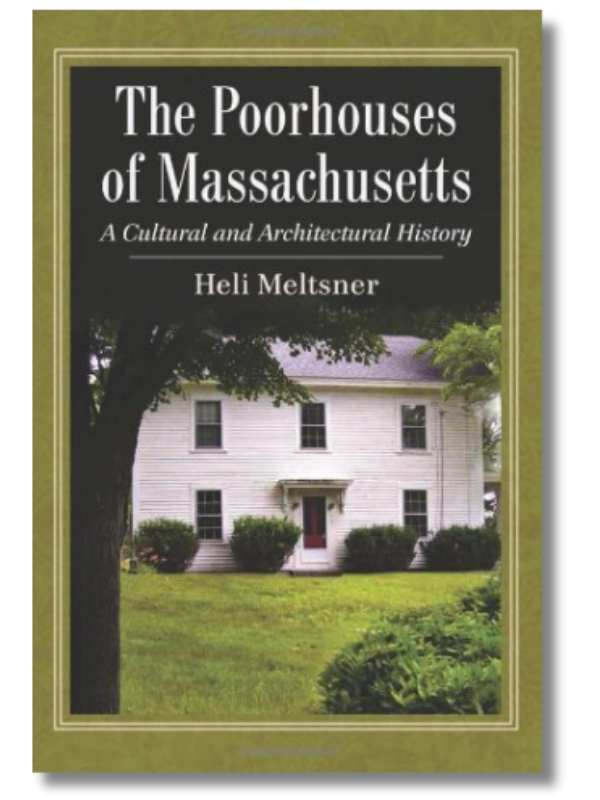
The Poorhouses of Massachusetts: A Cultural and Architectural History
NON-FICTION

This work examines the rise and fall of almshouses or poorhouses as Massachusetts institutions during the 19th century. Particular focus is given to the role of architecture in shaping and reflecting the care given to the impoverished.

Meltsner, Heli. The Poorhouses of Massachusetts: A Cultural and Architectural History. HV63 .U6 M45 2012

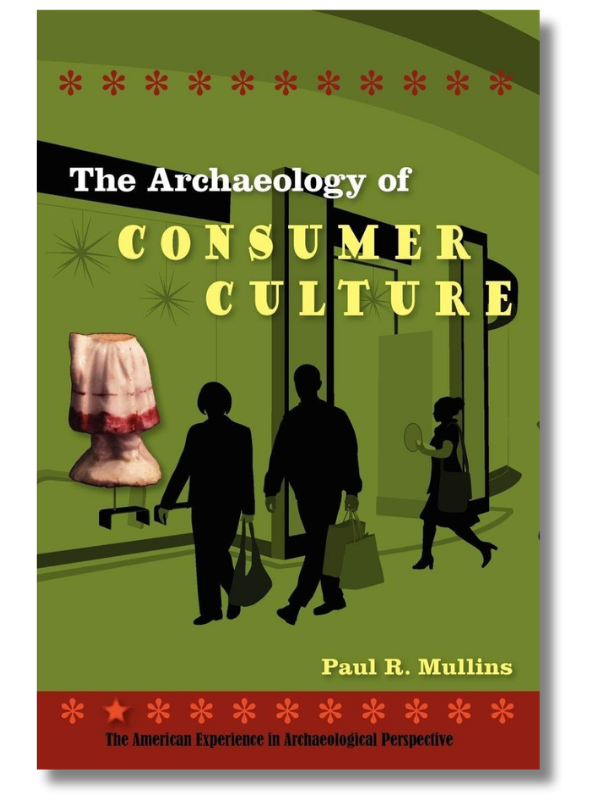
The Archaeology of Consumer Culture
NON-FICTION

Mullins examines the archaeological record to trace the evolution of consumer culture in America. His exploration of consumption includes what archaeology tells us about status, affluence, and poverty within the history of the United States.

Mullins, Paul R. The Archaeology of Consumer Culture. E161 .M85 2011

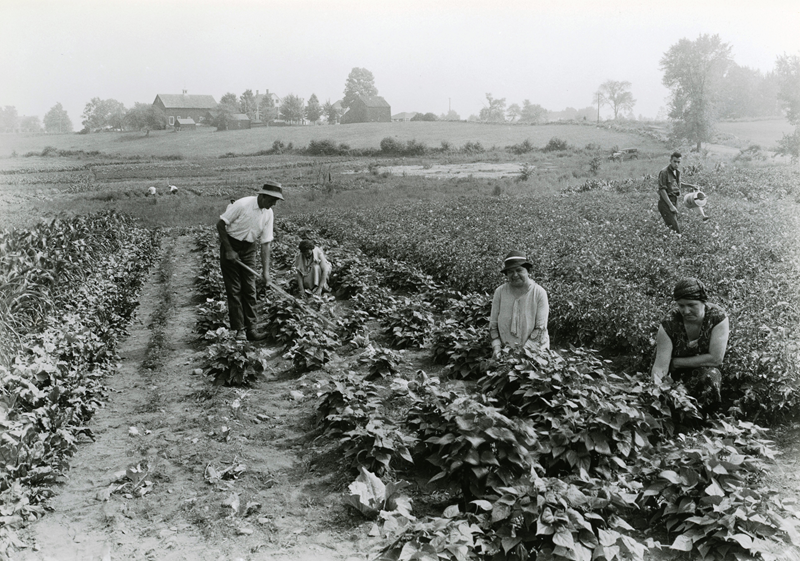
IMAGE: Unidentified family poses at their subsistence garden plot off Thaxter Road in the West End of
Portsmouth, NH. Circa 1935. The land was loaned by the Portsmouth Building Association, which prior to the Great
Depression had been building its Westfield Park housing development off Islington Street in between
Aldrich, Thaxter and Spinney roads. Photograph by Kingsbury Studio. Marvin Peirce Photograph Collection, P0035_009.