By Research Librarian Jessica Zaricki

In 2021, President Joseph R. Biden declared September as National Wilderness Month as a recommitment to the Wilderness Act of 1964, which sought to protect millions of acres of undeveloped federal public land from industrial development, roads, and motor traffic. Join us in taking time this month to remember the environmental, communal, and personal significance of wilderness spaces by taking time in nature and exploring these selections from our circulating collection.

Members, find the listed titles on display in the Sawtelle Reading Room through the month of September.

 

The River: A Novel
FICTION

Two college friends go on a canoe trip in northern Canada, but a wildfire and mysterious paddler add danger and intrigue to their journey. Heller is a master of the wilderness thriller, and this work does not disappoint.

Heller, Peter. The River: A Novel. PS3608 .E454 R58 2019

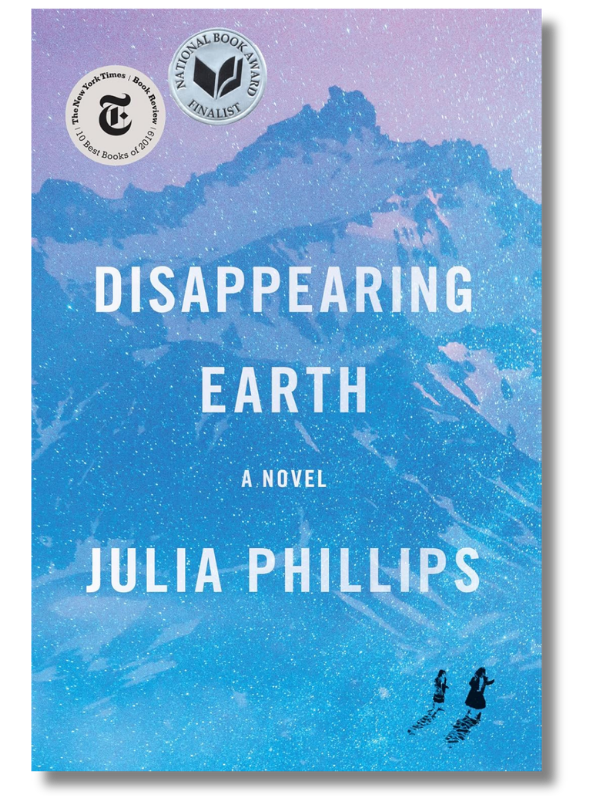
Disappearing Earth
FICTION

Two sisters go missing from a beach in Kamchatka. This story follows the lives of women and girls in the Russian community linked by the crime. Phillips’ debut novel connects the reader with a cold, desolate, foreign wilderness as well as the universality of women’s experience.

Phillips, Julia. Disappearing Earth. PS3616 .H4585 D57 2019

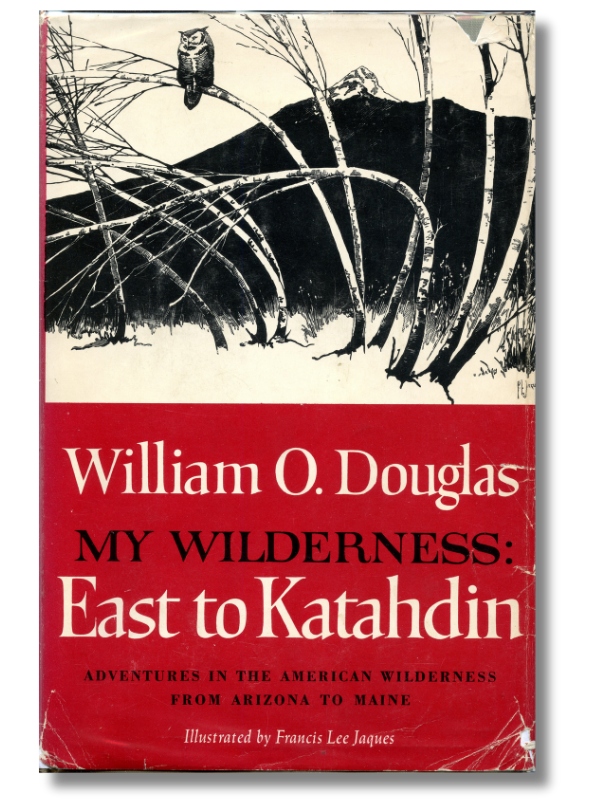
My Wilderness: East to Katahdin
BIOGRAPHY

One of several books written by US Supreme Court Justice William O. Douglas, this memoir presents a fascinating excursion through the primitive natural areas of America, finishing in Maine. The text offers a blend of scientific information, philosophical reflections on nature, and the excitement of the outdoors.

Douglas, William O. My Wilderness: East to Katahdin. QH104 .D68

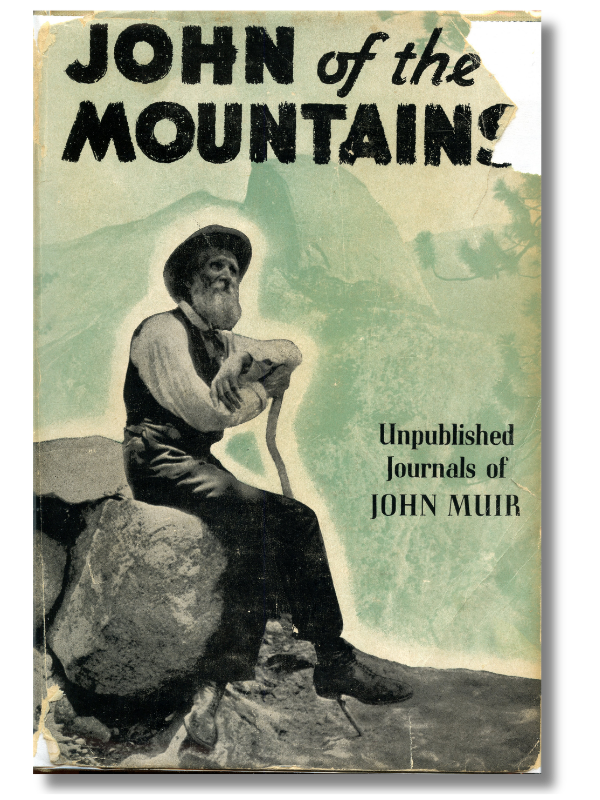
John of the Mountains: The Unpublished Journals of John Muir
BIOGRAPHY

This collection covers a 42-year span from 1869-1911, beginning with Muir’s introduction to California and including his travels in Alaska. Like all his writings, the journals concentrate on his observations in the wilderness, showing his great love for nature. Particular focus is given to glacial action, preservation of the redwoods, and concern for human rights.

Muir, John, edited by Linnie Marsh Wolfe. John of the Mountains: The Unpublished Journals of John Muir.

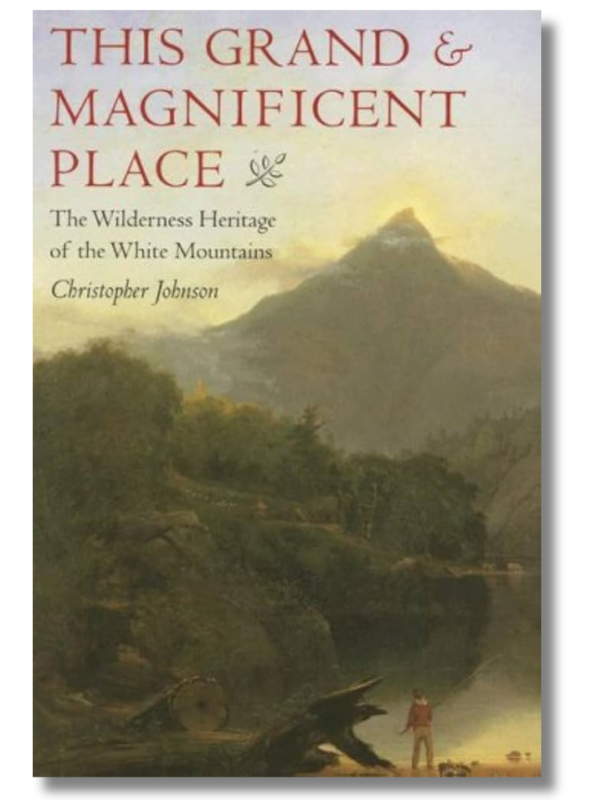
This Grand & Magnificent Place: The Wilderness Heritage of the White Mountains
NON-FICTION

This work shares the story of New Hampshire’s White Mountains, from the range’s days as the homeland of the Abenaki to its current reputation as one of America’s most beloved national forests, comprising 112,000 acres of protected wilderness. Johnson explores the rich ecological, political, economic, and cultural history of the mountains and discusses the evolution of American attitudes and policies toward wilderness over time.

Johnson, Christopher. This Grand & Magnificent Place: The Wilderness Heritage of the White Mountains. F41.3 .J64 2006

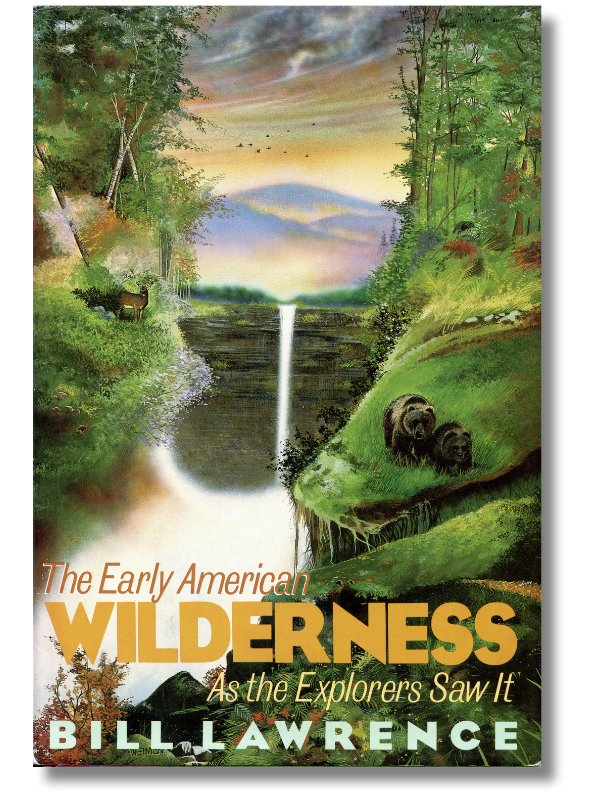
The Early American Wilderness: As The Explorers Saw It
NON-FICTION

Lawrence offers a recreation of the American wilderness as it was experienced by the earliest explorers to the continent. Sources include journals and letters kept by Norsemen, Champlain, Marquette, and members of the Lewis and Clark expedition, among others.

Lawrence, Bill. The Early American Wilderness: As The Explorers Saw It. E121 .L38

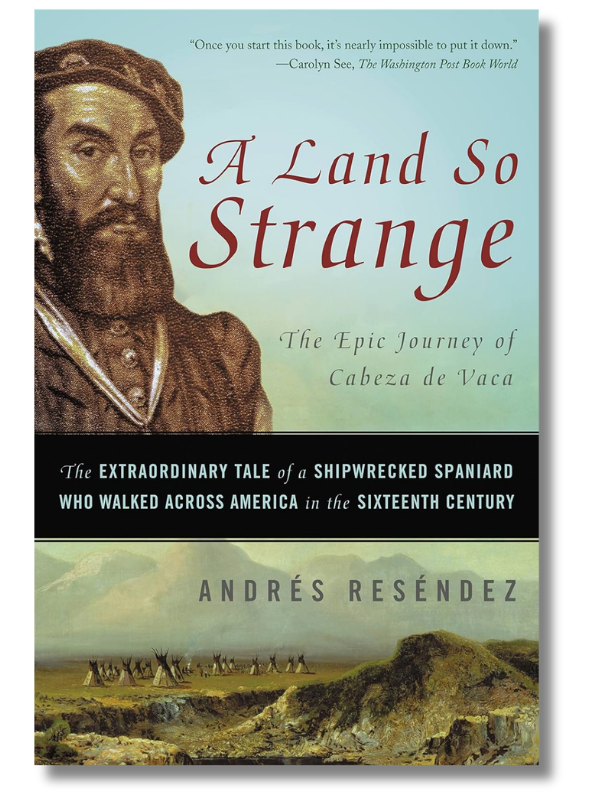
A Land So Strange: The Epic Journey of Cabeza de Vaca: The Extraordinary Tale of a Shipwrecked Spaniard Who Walked Across America in the Sixteenth Century
NON-FICTION

This work details the 10-year journey across America following a 1527 mission sent from Spain to colonize Florida. They endured a horrific march through Florida, a terrifying raft passage across the Louisiana coast, and years of enslavement in the American Southwest. In the end, only four survived: three Spaniards and an African slave, who passed down this tale of survival in the American wilderness.

Reséndez, Andrés. A Land So Strange: The Epic Journey of Cabeza de Vaca: The Extraordinary Tale of a Shipwrecked Spaniard Who Walked Across America in the Sixteenth Century. E125 .N9 R47 2007.

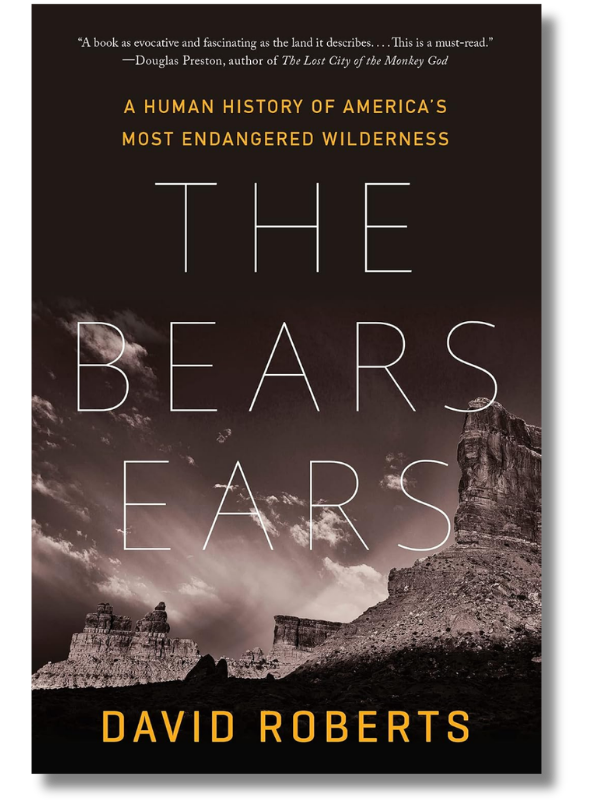
The Bears Ears: A Human History of America’s Most Endangered Wilderness
NON-FICTION

The Bears Ears National Monument in southeastern Utah, created by President Obama in 2016 and eviscerated by the Trump administration in 2017, contains more archaeological sites than any other region in the United States. This wilderness, now threatened by oil and gas drilling, unrestricted grazing, and invasion by Jeep and ATV, is at the center of the greatest environmental battle in America since the damming of the Colorado River to create Lake Powell in the 1950s. Roberts combines memoir with archival research in his discussion of the region and its importance.

Roberts, David. The Bears Ears: A Human History of America’s Most Endangered Wilderness. F832 .S4 R625 2021

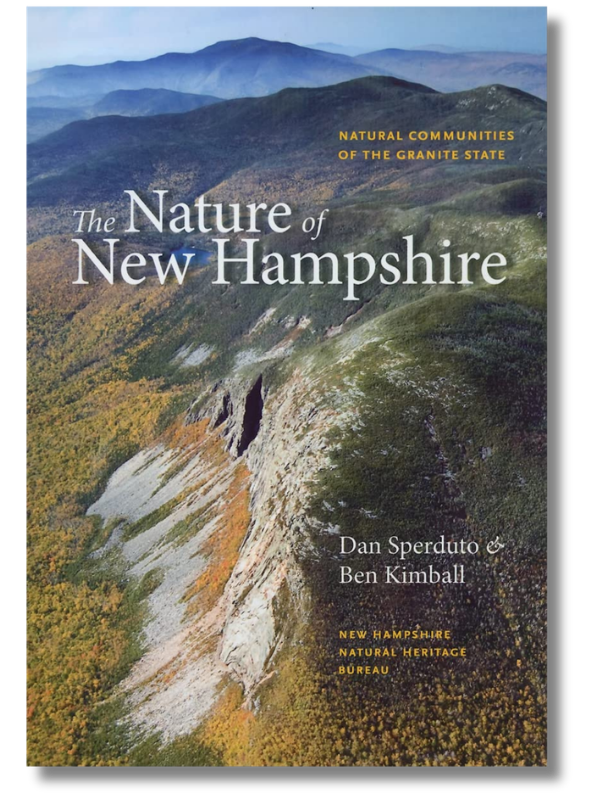
The Nature of New Hampshire: Natural Communities of the Granite State
NON-FICTION

This guide offers an exploration of the diversity of natural communities present in New Hampshire. Gain a new understanding and appreciation for the state’s exceptional natural heritage as you tour a range of landscapes as varied as alpine meadows, tidal marshes, riverbanks, forests, ponds, dunes, and cliffs. The text provides an important common language for conservation planning and informed land stewardship here in the Granite State.

Sperduto, Dan and Ben Kimball. The Nature of New Hampshire: Natural Communities of the Granite State. QH105 .N4 S64 2011

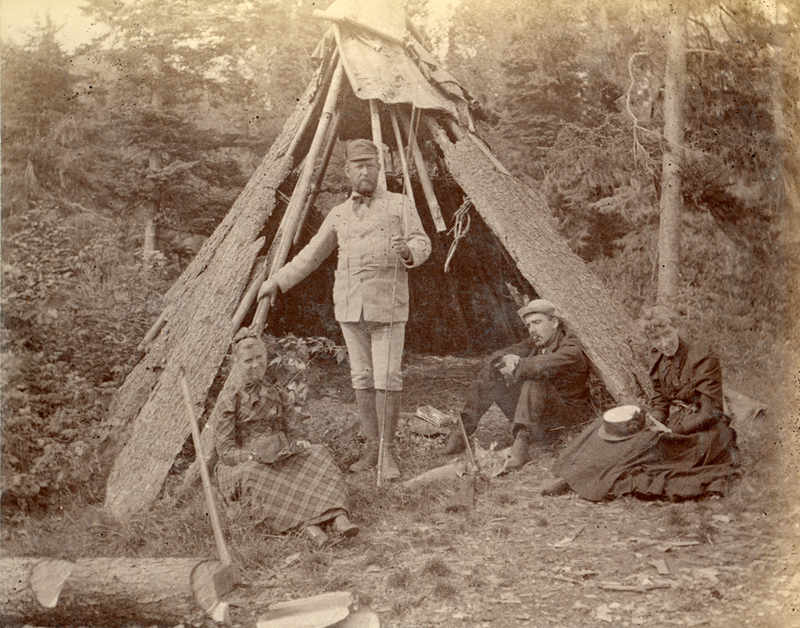
IMAGE: Campers at Bark Shelter, circa 1890. Possibly extended family members of the Laighton family of 229 Miller Avenue, Portsmouth, NH, pictured at a temporary timber-and-bark wigwam shelter during a camping expedition in northern New England, probably the White Mountains. Laighton Family Album, P0027_076.